Daniel Wishnia helps large organizations get GenAI past the demo and into daily use. Right now that means leading a live Microsoft 365 Copilot adoption program across 12+ business units at a publicly listed insurer, measured on real usage, not licenses bought. Behind it sits 20+ years of enterprise transformation, including a CDTO tenure at an MDAX-listed real estate group and eCommerce leadership across 120 hotels. He also coined the term “citation economy” and built the audit methodology that keeps brands cited by ChatGPT, Gemini, and Perplexity.
Berlin-rooted, Israel-based, working across Europe. Two things, one person: I get enterprise AI adopted and used, and I keep your brand visible as AI becomes the front door to your market.
Most enterprise AI projects don't fail at the demo. They fail three months later, when the pilot impressed everyone and then nobody opened the tool again. Closing that gap is the work I do. Right now I'm leading a Microsoft 365 Copilot and agentic-workflow adoption program across 12+ business units at a publicly listed insurer, measured on whether people actually use it, not on how many licenses got bought.
I've been inside this problem for more than twenty years, on the operator side, not the slideware side. I ran eCommerce across 120 hotels, led digital transformation for one of Europe's largest real estate groups (Aroundtown SA, MDAX-listed), shipped GenAI rollouts at enterprise scale, mentored PropTech startups, and filed a patent along the way. The thread is always the same. I turn "AI sounds important" into something that ships and that people keep using.
I also tend to see the shift early. Back in the mid-2000s I was talking about something I called Digital Sense: the idea that information, commerce, and creativity would stop being things you click through and start being things you talk to. People thought it was far-fetched. Today it's just how things work. Same pattern with VR property tours before real estate wanted them, and with measuring AI visibility before most brands realized ChatGPT was answering questions about them.
The shift I'm most focused on now: the citation economy. Your brand's value is no longer measured by traffic. It's measured by how often AI systems cite you as the answer. Most companies aren't tracking this yet, and the ones who fix it early hold a real edge in their category.
If you're past the AI-curiosity stage and into the "make this work across the whole organization" stage, that's where I'm useful. Let's talk.
The part that decides whether AI pays off: getting people to actually use it. Microsoft 365 Copilot rollouts, custom agents, role-based playbooks, and the change management that turns a slick pilot into daily habit. Running live right now across 12+ business units, measured on real usage, not licenses bought.
I audit how your brand shows up inside ChatGPT, Gemini, and Perplexity, measure your Share of Model against competitors, and build the structured data and ecosystem presence that gets you cited. GEO, Answer Engine Optimization, the competitive layer most companies don't know exists yet.
The shift from clicking to talking. Conversational commerce, conversational navigation, and what happens when the AI becomes the interface between your business and your customer.
Data lakes, VR/XR, marketing automation, portal builds, operational tech integration. Turning digital infrastructure into measurable business results across real estate, hospitality, and property management.
Hands-on workshops that turn teams from passive AI users into confident ones. Prompt engineering, LLM workflows, role-based playbooks. I've run these for investment teams, marketing departments, and full organizations.
Startup Accelerator. Mentor for TravelTech and retail tech startups. Co-founder experience (TNG Shopper, Vivent). I know what it takes to go from idea to product to scale.
A client sat across from me, proud of a page-one ranking. So I opened ChatGPT, typed the question their customer actually asks, and their brand wasn't in the answer. The competitor they'd been outranking got named twice. The room went quiet. This is the full four-layer AI Visibility Audit I now run: the Prompt Penetration Test, your Share of Model, the Semantic Association check, the Consensus Loop, and the plumbing most companies forgot to fix.
How keyword research now earns AI recommendations, and where most local strategies are quietly losing ground they don't even know they're contesting.
Google AI Mode crossed a billion monthly users a year after launch. The search box became a workspace, agents became the new conversion funnel, and generative UI started eating the front-end. Four shifts every digital leader needs to read in their own context.
The 2025 traffic study everyone's reading missed its most interesting story. Real estate didn't lose to AI. It rode AI. Here's what the category did right, and what every other industry can copy.
LinkedIn turned into a feed of identical "thought leadership" that sounds like nobody wrote it, because nobody did. Here's what that sameness actually costs you, and why a real voice is becoming the rarest signal online.
New data from 8 million AI responses reveals exactly how generative engines decide who gets cited. The brands that understand the pattern will own their categories. Here's what the numbers say to do.
The zero-click apocalypse isn't coming. It's here. Welcome to the citation economy, where brand value is measured by how often AI names you as the answer. Why the click-based model is dying and what replaces it.
Currently an Event Ambassador for E-commerce Berlin Expo 2027 (Messe Berlin, 17 to 18 February), part of the circle of industry voices helping shape one of Europe's largest e-commerce gatherings. It's a natural fit: the conversation I care about most right now, how AI is rewriting discovery and commerce, is exactly the conversation that floor is having.
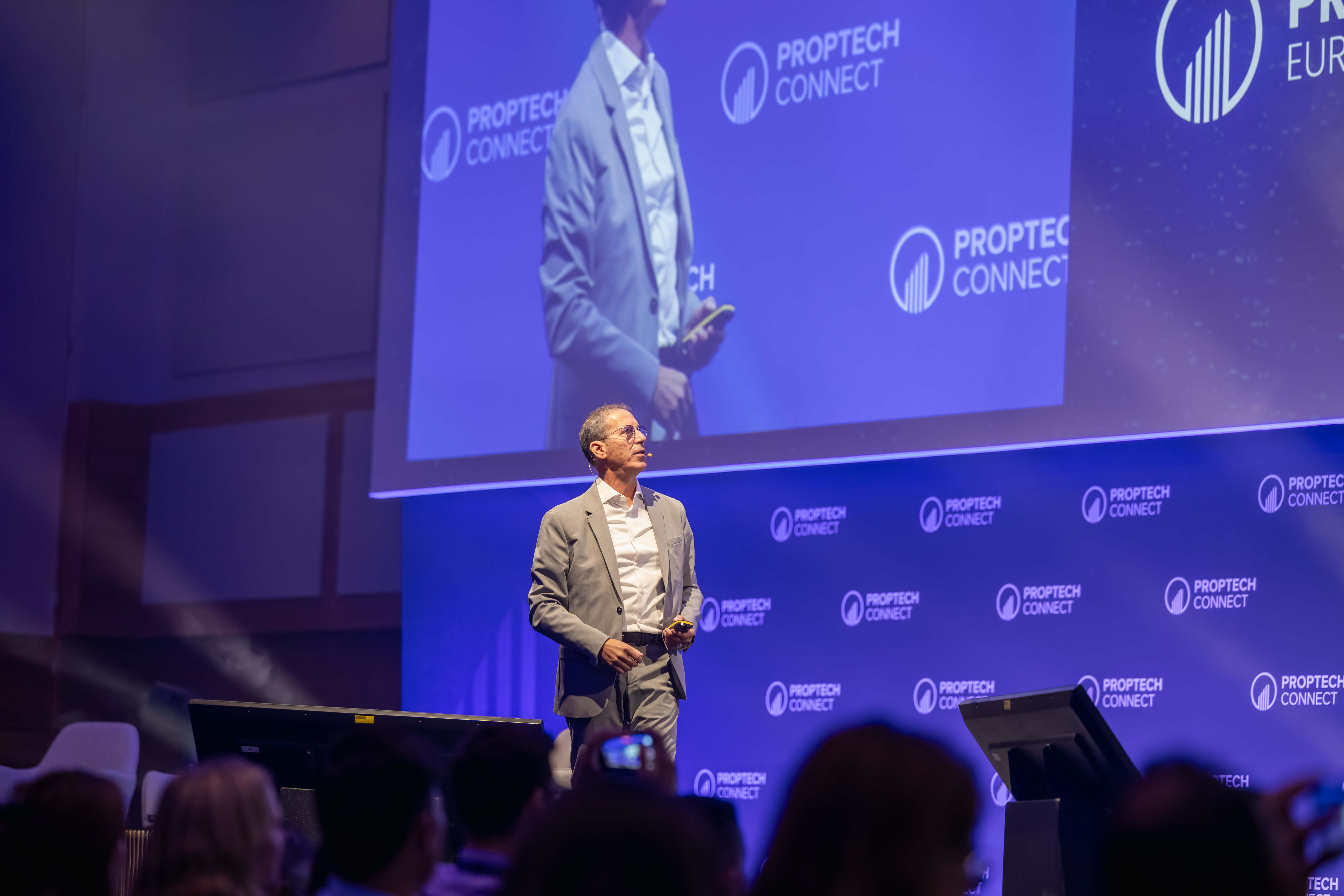
I've been on stage for over 25 years. The topics evolve but the approach is always the same: give people something concrete they can act on next Monday morning. No buzzword padding. No 45 minutes of slides that could have been an email. I'd rather leave you uncomfortable with a new idea than comfortable with an old one.
I help large organizations get GenAI adopted and actually used. Most companies can buy the tools. The hard part is the three months after the pilot, when the demo impressed everyone and then nobody opened the tool again. That's the gap I close: Microsoft 365 Copilot rollouts, custom agents, role-based training, and the change management that makes adoption stick. I'm running this live right now across 12+ business units at a publicly listed insurer. Alongside that, I handle AI visibility and the citation economy (making sure your brand shows up when AI answers questions about your category) and I keynote on both. Think of me as the operator who gets AI past the pilot stage, not a strategist who hands you a deck and leaves.
The citation economy is the shift from measuring brand value by website traffic to measuring it by how often AI systems cite you as the answer. When someone asks ChatGPT, Gemini, or Perplexity a question about your industry, does your brand come up? That's the new scoreboard. A large and growing share of searches now end without a click. The old funnel (visibility, clicks, conversions) is being replaced by a new one (citations, trust, direct engagement). Companies that master this first hold a real advantage. The ones that don't risk becoming invisible to a growing share of their potential customers.
GEO (Generative Engine Optimization) and AEO (Answer Engine Optimization) are the practices of making your brand the source that AI-powered search systems cite when generating answers. Traditional SEO focused on ranking web pages to earn clicks. GEO focuses on structured data, entity authority, ecosystem presence, and AI-first content so that large language models trust your brand enough to recommend it. It's not a replacement for SEO (you still need that), but it's the new competitive layer that most companies aren't even tracking yet. I help organizations audit their current AI visibility, identify gaps, and build strategies to become the cited authority in their space.
Digital Sense is a concept I introduced back in the mid-2000s. The idea was that information, education, commerce, and creativity would stop being things you click through and start being things you talk to. Conversational navigation. Conversational commerce. Conversational creativity. At the time, people thought it was far-fetched. Today, with AI assistants answering questions, booking travel, generating images, and handling transactions through natural conversation, it's just how things work. The concept captures the fundamental interface shift from menus to meaning, from navigation to conversation.
My deepest roots are in hospitality and real estate (nearly two decades between GCH Hotel Group and Aroundtown SA), but the advisory work goes broader. AI visibility, the citation economy, and GenAI adoption are cross-industry challenges. I've worked with real estate groups, hotel chains, PropTech startups, retail tech companies, insurance firms, coworking operators, and conference organizers. If your business is being reshaped by AI (and it is), the strategic frameworks apply regardless of vertical.
Yes. I've been speaking at international conferences for over 15 years. Past stages include IHTF, World Travel Market Summit, Digital Enterprise Show Madrid, PropTech Connect London, E-Commerce Berlin Expo, Direct Booking Summit, and many more. I'm currently an Event Ambassador for E-commerce Berlin Expo 2027. I speak about AI disruption, the citation economy, conversational AI, GEO strategy, and what's actually changing (versus what's just hype). I'd rather leave an audience uncomfortable with a new idea than comfortable with an old one. Reach out via email at daniel.wishnia@wishol.com or connect on LinkedIn.
AI visibility auditing is the process of systematically checking how a brand appears in AI-generated responses from ChatGPT, Google Gemini, Perplexity, and other AI systems. I run it in four layers. First, a Prompt Penetration Test: 50 to 100 non-branded, intent-driven questions phrased the way real buyers ask them, to measure your Share of Model versus competitors. Second, a Semantic Association Audit that reveals what the model already associates with your category. Third, a Consensus Loop Check, because models cross-check what you say against Reddit, forums, and review sites before they trust you. Fourth, LLM-crawlability validation, making sure GPTBot and ClaudeBot can actually read you and that your llms.txt is in place. The output is a map of exactly where you're losing and why.
Traditional SEO optimizes web pages to rank in search engine results and earn clicks. GEO optimizes your brand's entire presence so that AI systems cite you as the answer. SEO targets keywords and backlinks. GEO targets structured data (schema markup), entity authority, ecosystem presence (being mentioned in trusted third-party sources), and AI-first content (direct answers, proprietary data, first-person expertise). You need both during this transition period. SEO isn't dead yet, but the citation economy is growing fast, and the brands that build for both will win.
Aroundtown SA (one of Europe's largest MDAX-listed real estate groups), GCH Hotel Group (120 hotels across seven countries), Adam Hotels, Fiori 41, ATworld coworking, Hotel Bristol Berlin, TNG Shopper, Vivent Immersive Events, and Ayalon Insurance Company. I've also mentored startups through the ATechX PropTech Accelerator and The Hybrid TravelTech program. I'm a World Economic Forum public member, former Google Ambassador in Israel, and jury member for the E-Commerce Germany Awards.
AI Adoption & Enablement: I get GenAI adopted and actually used across your organization. Microsoft 365 Copilot and custom agents, role-based playbooks, and the change management that decides whether a rollout sticks or stalls. Running live across 12+ business units at a publicly listed insurer. Advisory Retainer: Ongoing partnership where I work alongside your team on AI adoption, enterprise GenAI rollouts, digital transformation, and citation-economy strategy. An operator on call, not just a strategist. AI Visibility Audit: I check how your brand shows up (or doesn't) inside ChatGPT, Gemini, Perplexity, and other AI systems, then deliver a concrete report with gaps, competitor benchmarks, and a GEO action plan. Workshops & Training: Hands-on sessions on prompt engineering, LLM workflows, and role-based AI playbooks, delivered for investment teams, marketing departments, and entire organizations. Keynote Speaking: Talks on enterprise AI adoption, the citation economy, and what's actually changing versus what's hype.
Email me at daniel.wishnia@wishol.com or reach out on LinkedIn. Whether you want advisory work, a keynote, a workshop, or just want to compare notes on what's coming next, I'm easy to find and quick to respond.